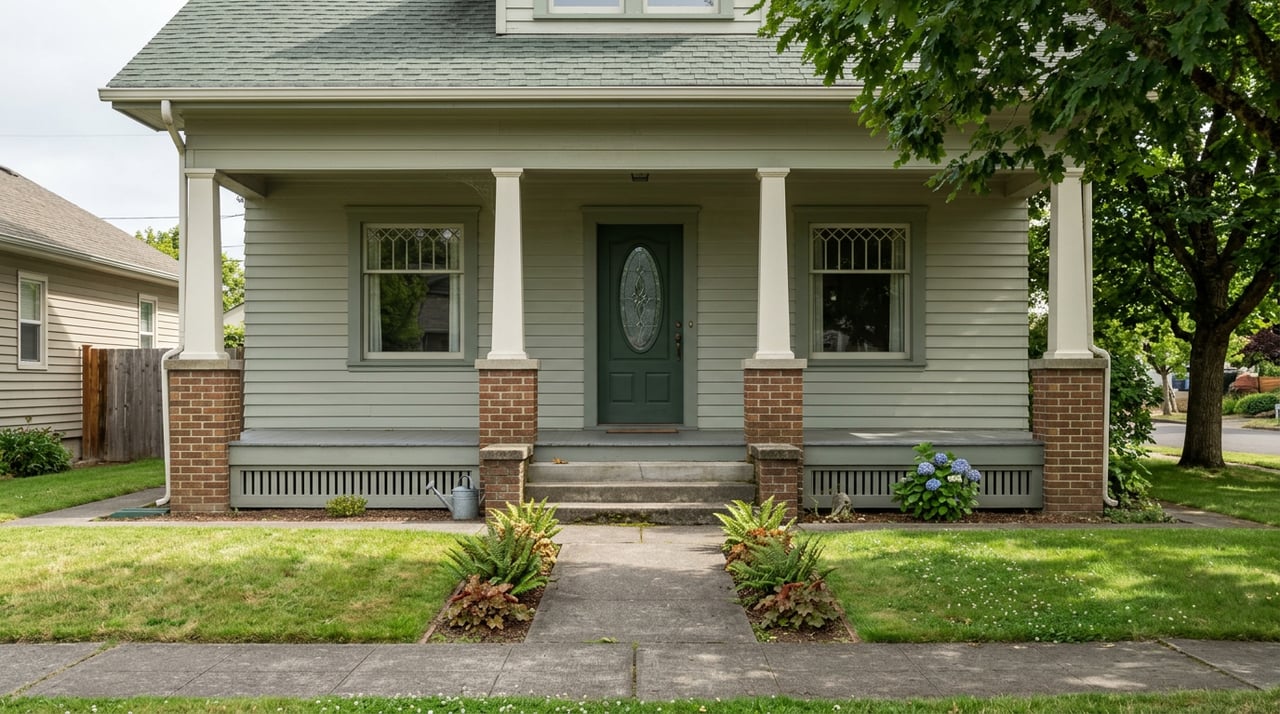
Winterizing your house might seem complicated, especially if you’ve never done it before. Follow these tips to be ready for snow, sleet, or hail before you know it (or at least before it actually arrives).
1. Inspect Your Roof
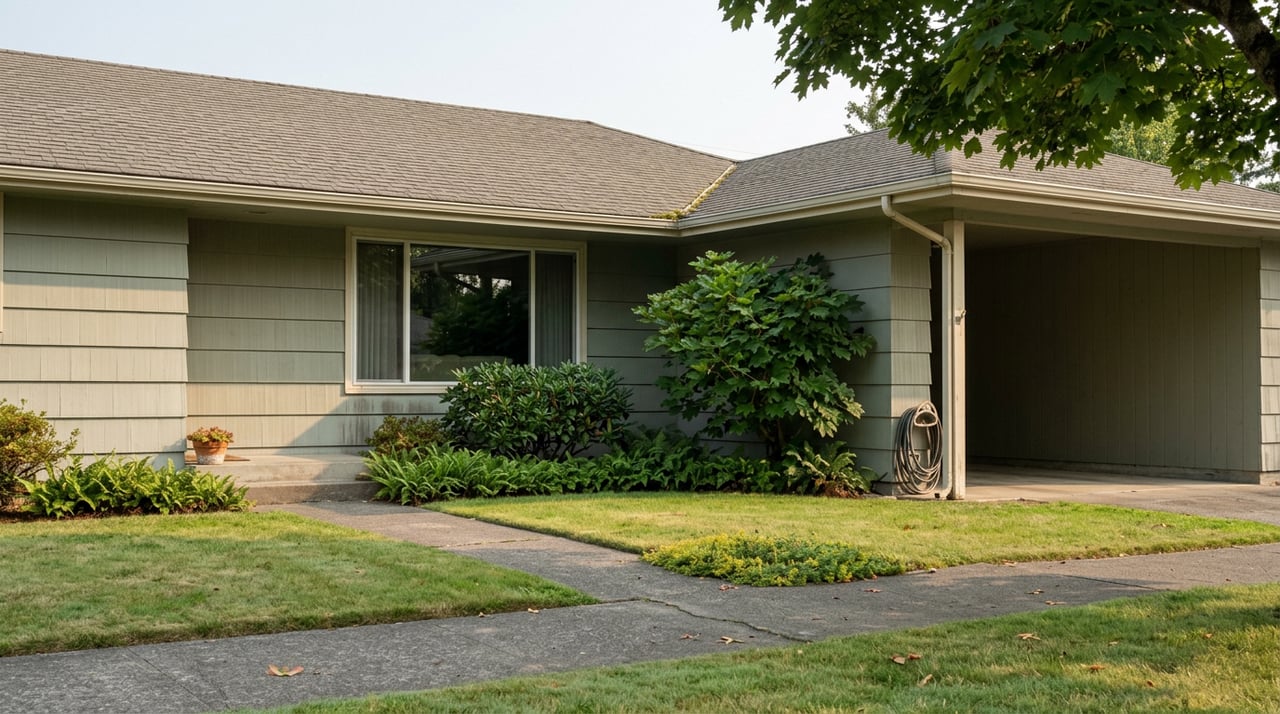
Your roof gets a lot of battering from Mother Nature. Inspect any issues and fix them before winter arrives.
2. Clear Your Guters
Full gutters and a rain or snowstorm add up to a really great way to damage your roof.
3. Check Windows, Doors, and Vents for Air Leaks
When a house feels drafty or too cold in the winter, it’s almost always because the windows, doors, or air vents aren’t well-sealed.
4. Add Storm Doors
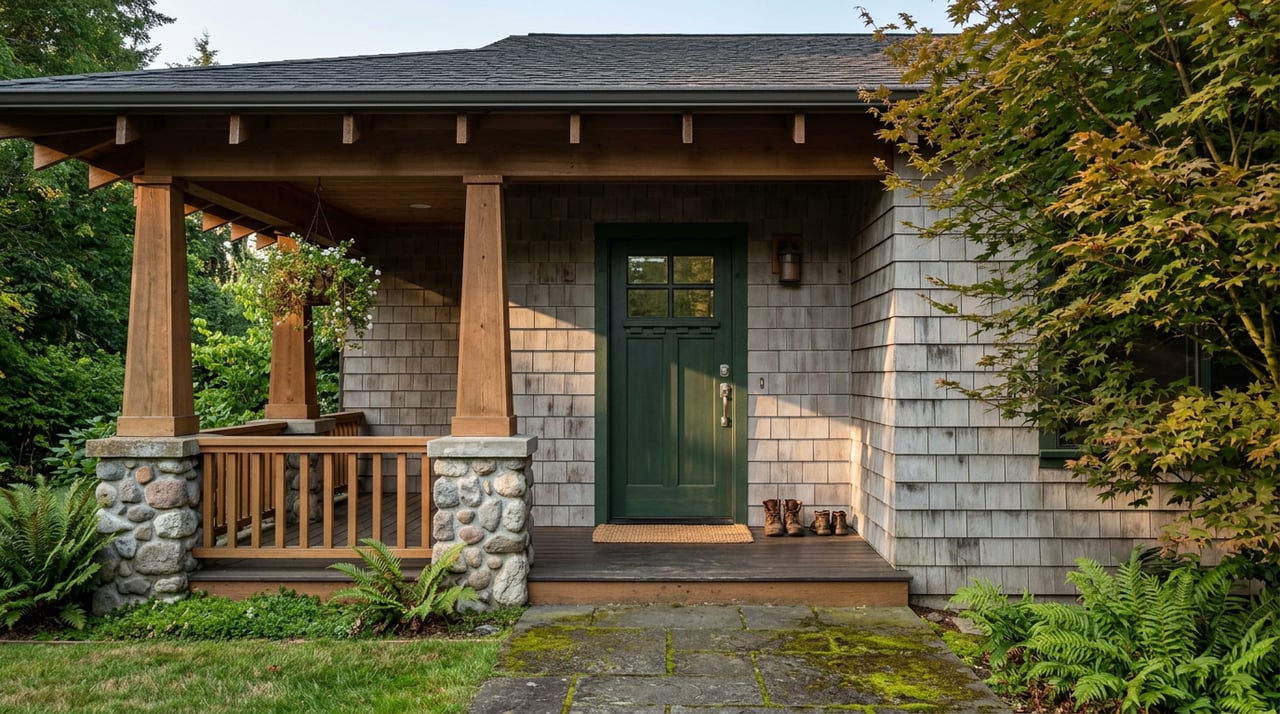
A storm door provides a buffer from the cold outside. These can be expensive, but they are very effective at eliminating drafts and air seepage from your home’s main entry.
5. Caulk and Weather-Strip
Once you have an idea of where the drafts are around your windows and doors, one way to postpone replacing the window or door is by reinforcing the caulking or adding weather-stripping.
6. Clean (and Consider Sealing) Your Chimney
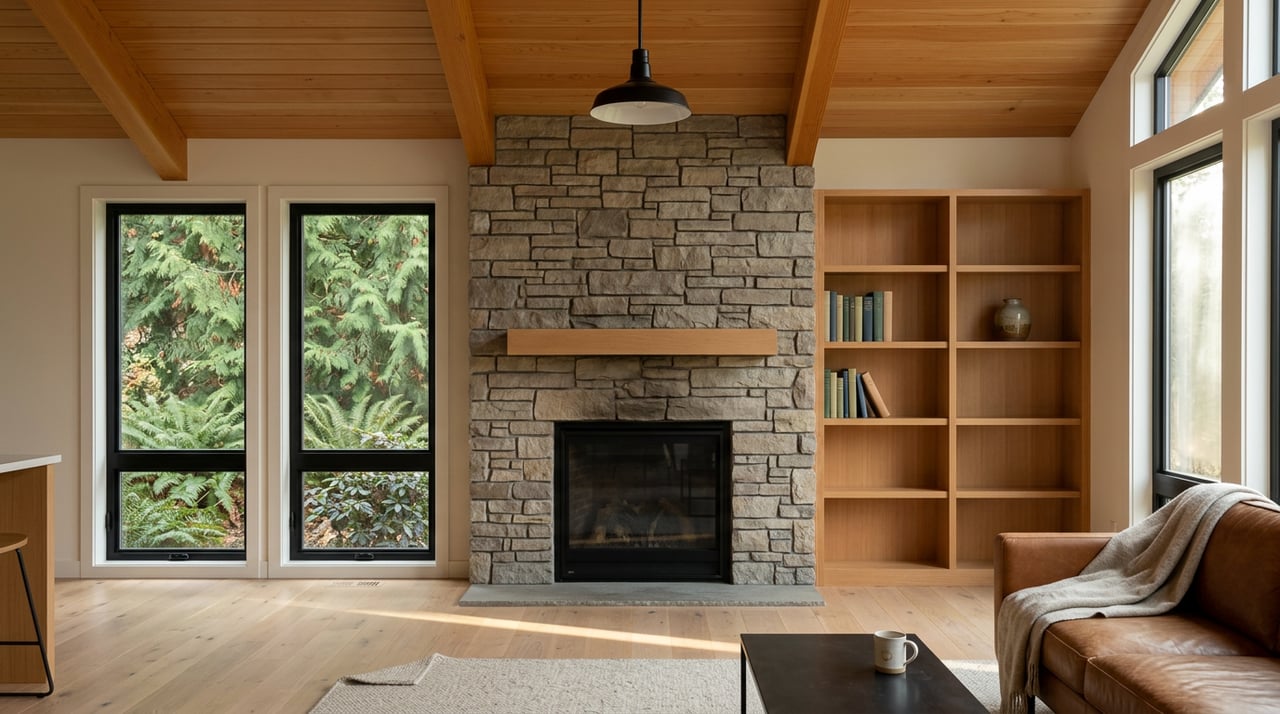
If you have a chimney connected to a fireplace, then cleaning it out before winter can improve the air flow throughout your entire home; on the other hand, you may want to seal it to prevent drafts.
7. Flush Your Water Heater
Water heaters can accumulate sediment over time, and the sediment can interfere with the heater’s operation.
8. Change Your Furnace Filters
When was the last time you replaced your furnace filter? Most furnace filters should be replaced at least twice a year, and some of them as often as six times a year.
9. Drain and Store Any Window Air Conditioning Units
Unplug the unit, drain it (there will be water inside it), and stash it in a storage space until you’re ready to re-install it next spring.
10. Reverse Your Ceiling Fans
You may have learned in science class that hot air rises. Take advantage of that fact in the wintertime by reversing your ceiling fans, if you have them, so that they spin the opposite direction.
11. Change Your Thermostat (and Keep It There)
Keep your house at more or less the same temperature throughout the winter. Big fluctuations up and down increase the chance that you might experience a problem like a pipe freezing.
12. Increase Your Insulation
If you’re starting the winterizing process early enough, it might be a good idea to assess your current level of insulation and beef it up if you think it’s inadequate.
13. Insulate Your Pipes and/or Your Water Heater
One way to increase your home’s efficiency and keep pipes from freezing is to insulate them. This can be a smart thing to do for pipes that travel along outside walls if your house isn’t well-insulated and the winters are very cold in your area.
14. Protect Your Plants
Even some perennial bulbs are so sensitive to the cold that you need to dig them up and bring them inside in the wintertime or they’ll die. Do a little bit of research around what the plants in your garden prefer, and then treat them accordingly.
15. Prep Your Pipes and Blow Out Your Sprinkler System
In areas where winter temperatures are typically below freezing, there’s a risk of frozen pipes. If you have a sprinkler system and the winters are cold where you live, it’s a good idea to get it blown out with air in the wintertime so there’s nothing in the pipes to freeze.
16. Drain and Store Garden Hoses
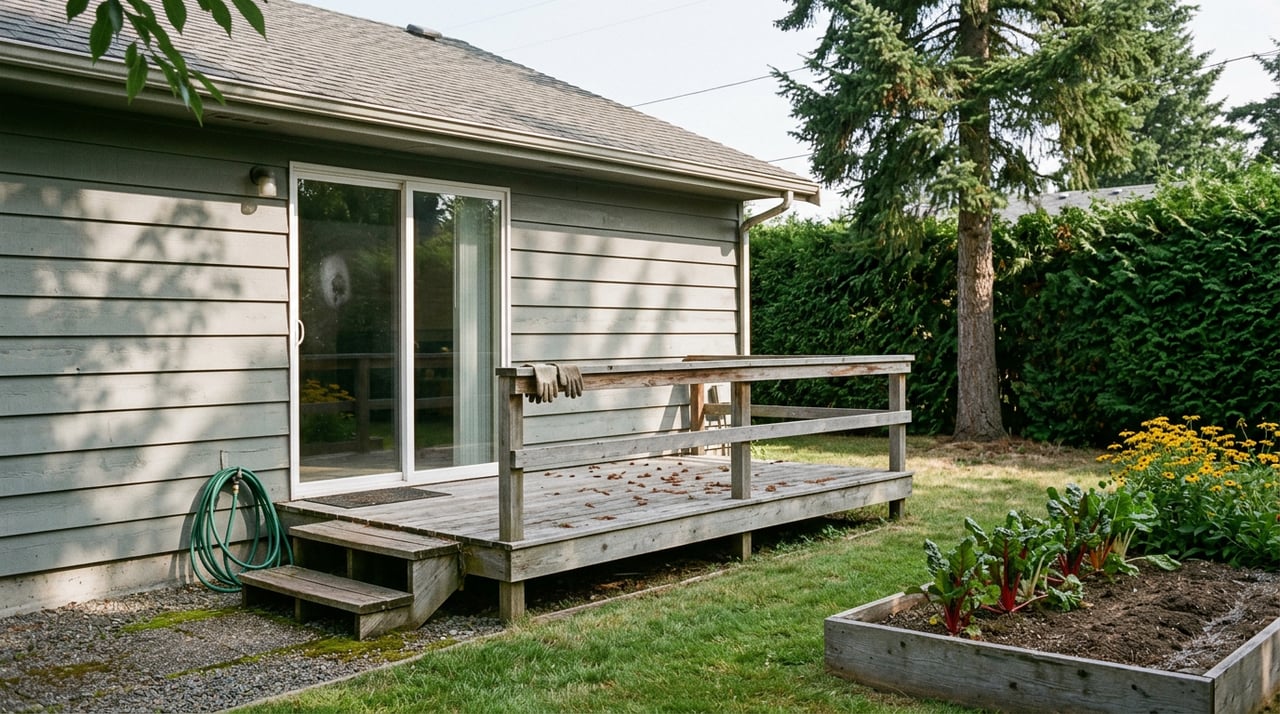
Like pipes, garden hoses with water inside them can freeze and burst. When you’re finished with the garden hoses for the season, disconnect them, drain them, and store them somewhere safe.
17. Check Your Toolbox
Before you settle in to enjoy winter, check to make sure you have everything you’ll need when it arrives. Is your snow shovel in good shape? How about snow brushes or ice scrapers for your cars? Salt for the walkways?