Home inspector checks a wall outlet beside a floor vent while holding a clipboard.

39 Things a Home Inspector Checks

November 8, 2021

What does a home inspection involve? There are dozens of features that a home inspector will examine to ensure the home’s safety and habitability. Here are some of the things you can expect your inspector to check out.
 

Outside

  • Puddles/Standing Water: Puddles or standing water could indicate a drainage problem.
  • A Shed: Shed walls should be solidly built, and doors must open and shut smoothly.
  • Retaining Walls: Leaning retaining walls might show instability in the ground.
  • Fences: Fences should be standing straight.
  • Paths: Buckling or crooked pathways are another indication of draining issues.
  • Deck/Patio: Decks and patios must be free of holes and have adequate railings.
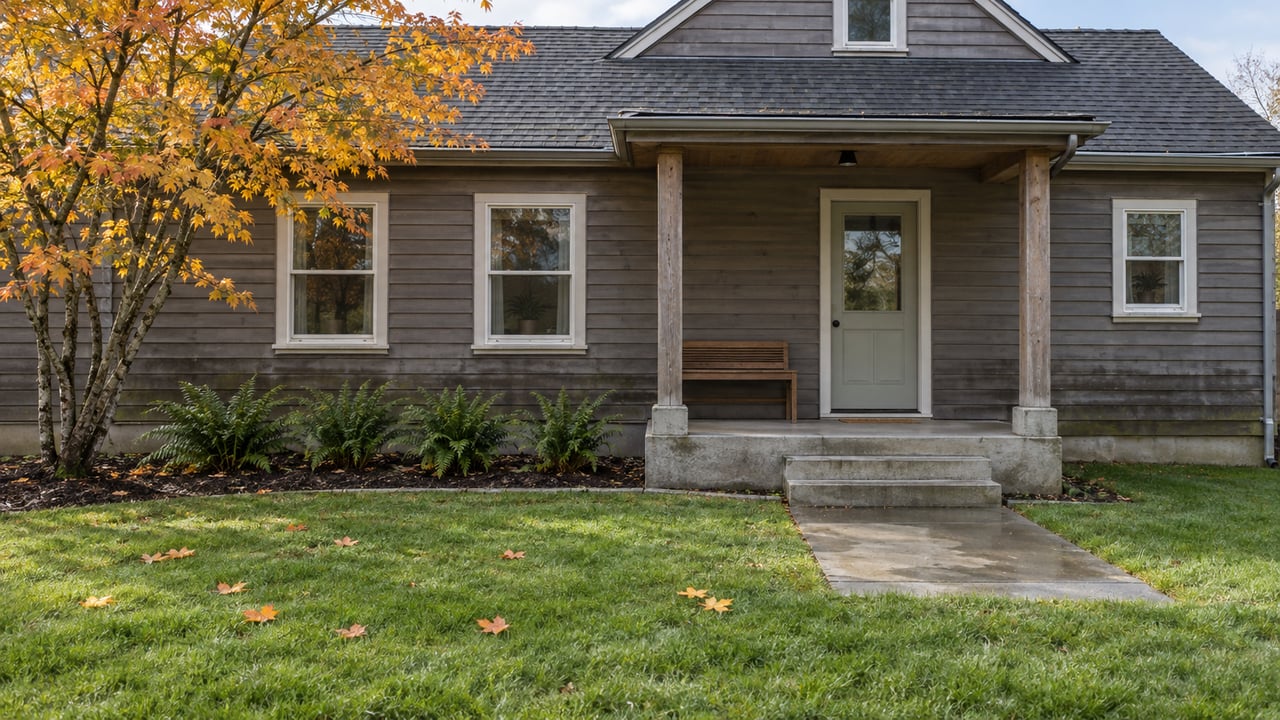
  • Trees and Shrubs: Trees overhanging your roof or shrubs planted too close to the house might be flags.
  • Roof: The roof should be free from holes; materials should be in decent shape, and vents should be free and clean.
  • Gutters and Drainage: Gutters should be secured to the roof, clear from debris, and draining away from the house.
  • Siding: The siding material will get a look for any signs of aging or damage, and to ensure the walls are straight. 

Inside

  • Basement: Basements and crawl spaces will be inspected for moisture and pests.
  • Foundation: Foundation problems can make or break a sale; the inspector will check for stability and leaks.
  • Mold/Mildew: Mold and mildew could mean a leaky foundation.
  • Plumbing or Pipes: Any visible damage to your plumbing pipes, or stains around the materials, will be noted in the report.
  • Water Heaters: The inspector will note the size of the water heater, note its ventilation and set temperature, and check for any signs of rust.
  • Attic: Inspectors will check for mold and mildew, leakage, and more in the attic.
  • Insulation: The attic is one of the best places to see if insulation is the right type and has been installed correctly.
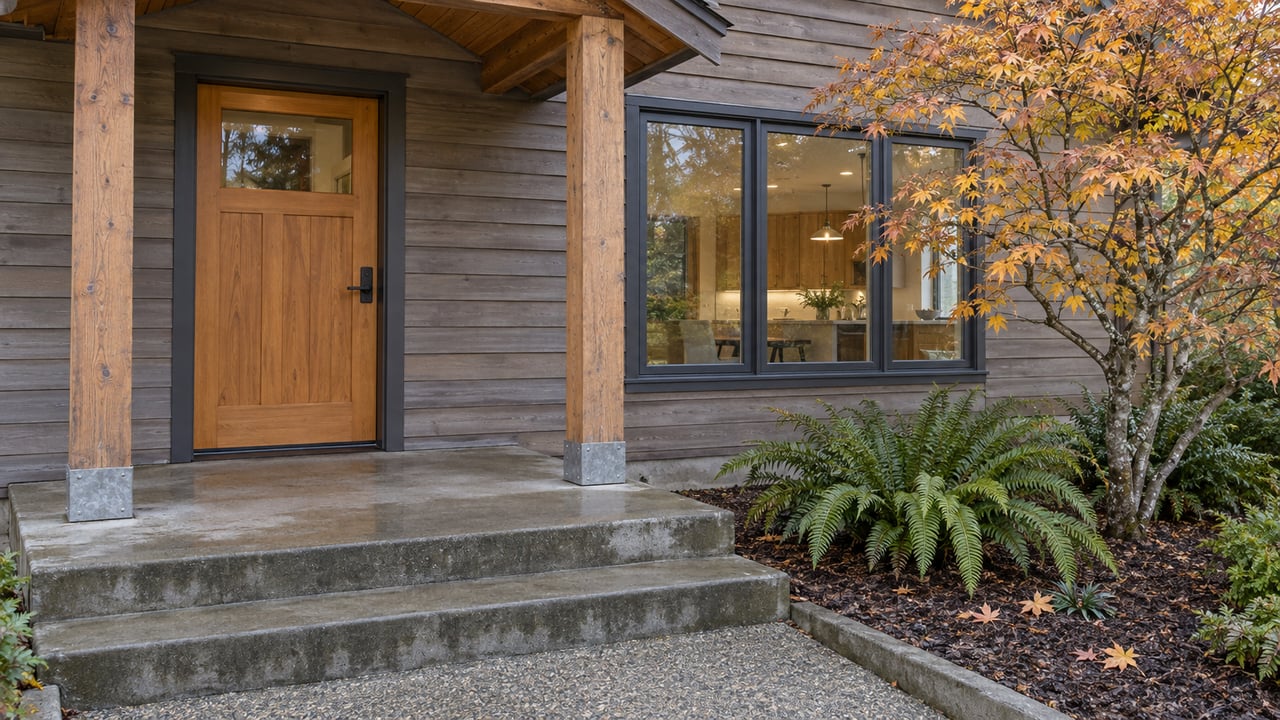
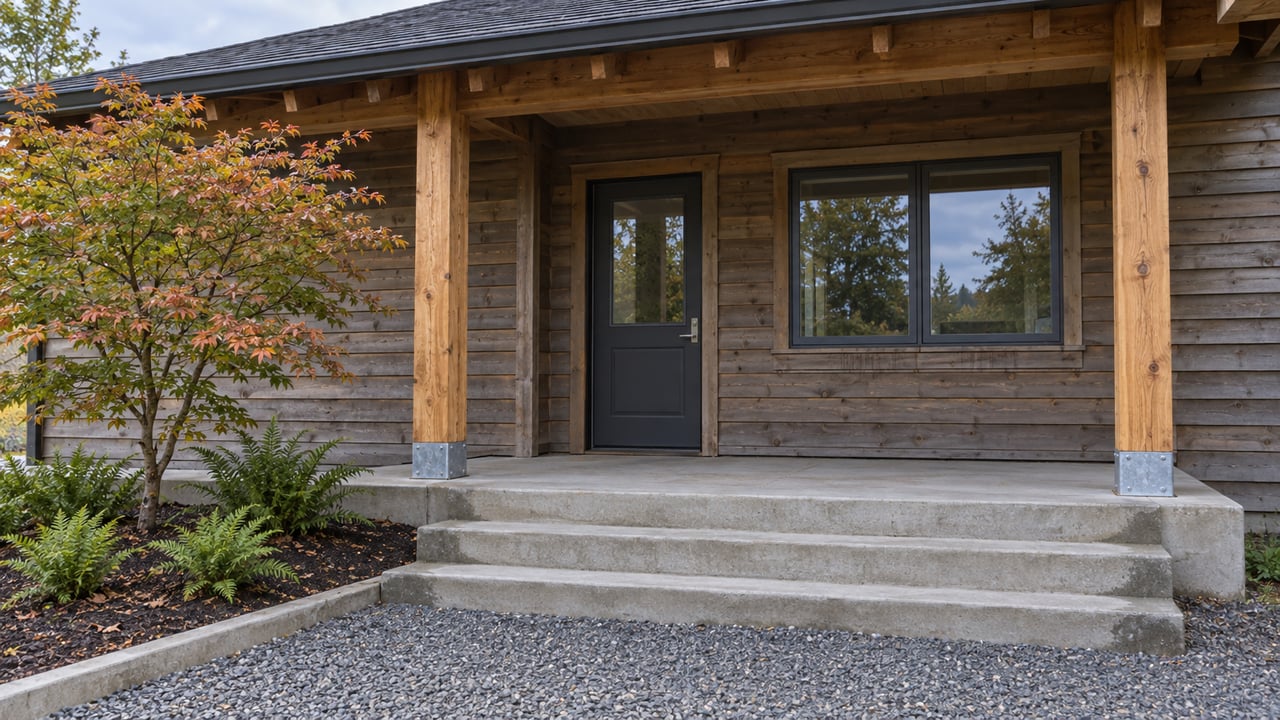
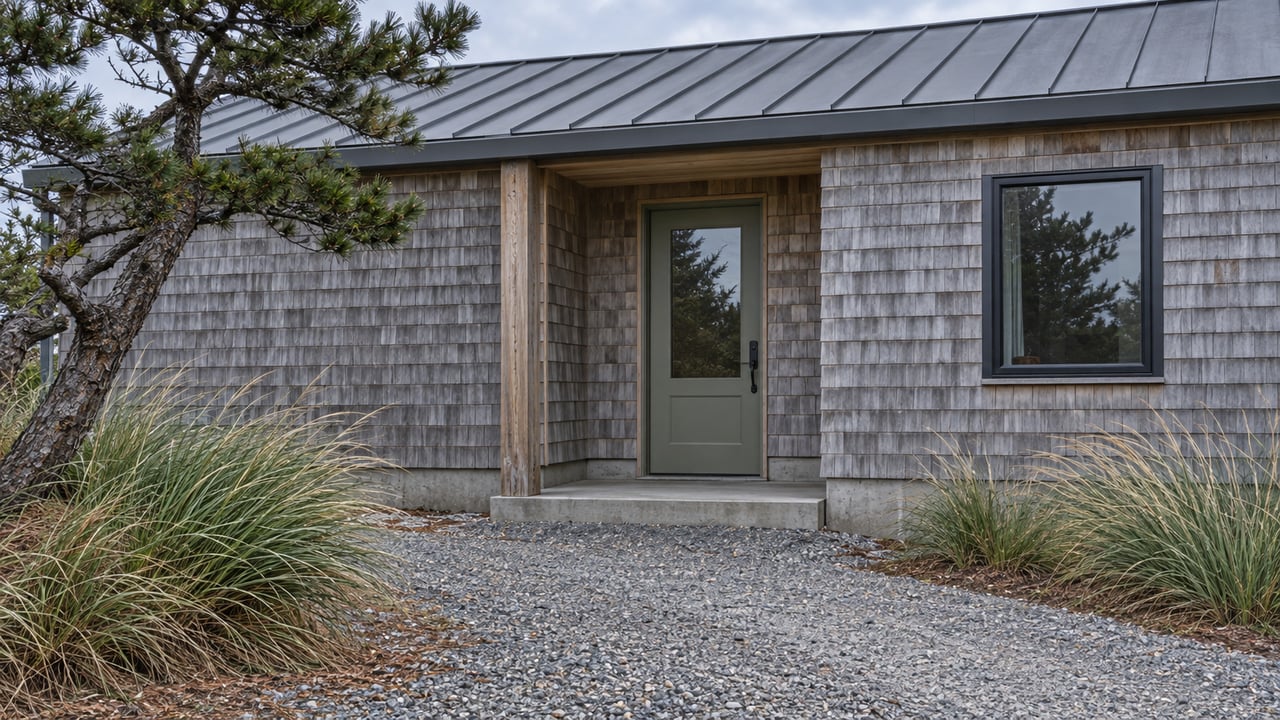
  • Front Door: Crooked door frames or doors that stick can indicate a foundation problem.
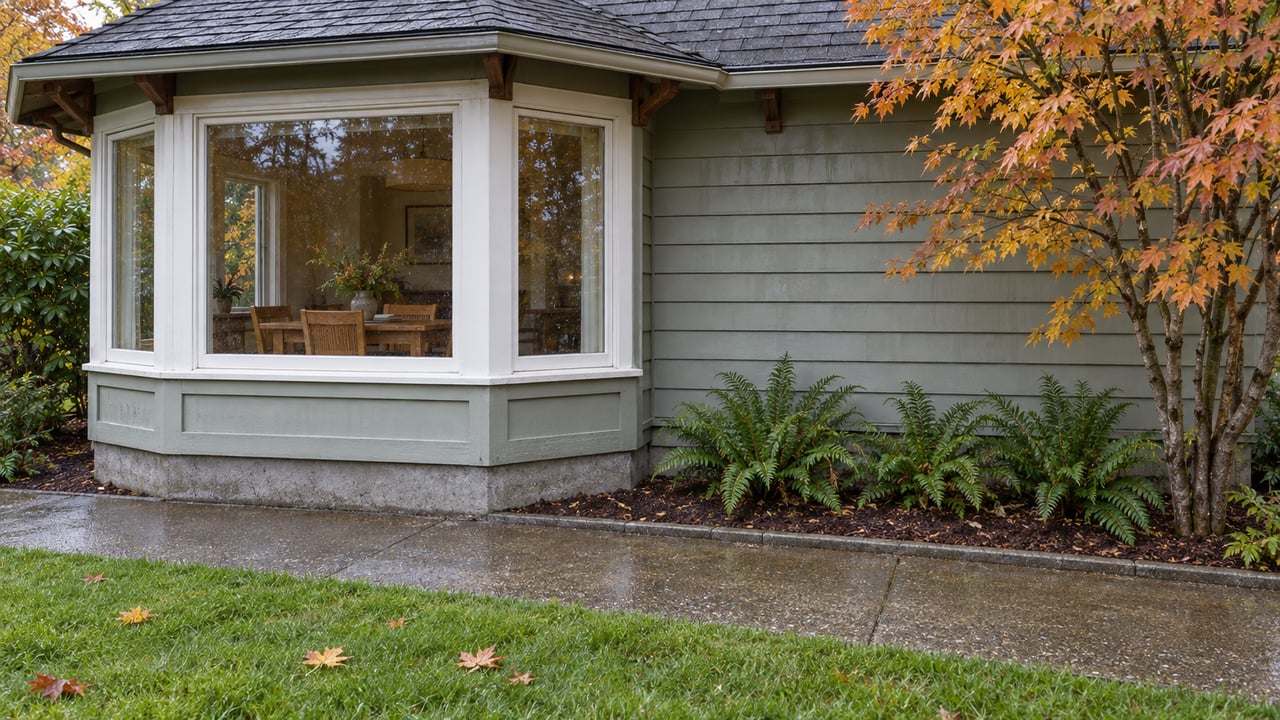
  • Windows: Inspectors will make sure windows open and close smoothly.
  • Walls: Leaning or tilted walls could show a structural problem with the house.
  • Ceilings: Water stains on the ceiling mean that water is leaking somewhere in the house.
  • Heat/Cooling Sources: Is the heat or cooling adequate for this part of the country?
  • Fireplace/Chimney: The inspector will check for cracks or damage in the fireplace or chimney.

Kitchen

  • Range Hood or Exhaust Fan: Your kitchen needs to be well-ventilated, so inspectors will check for that.
  • Outlets by Sink: Any outlets by the kitchen sink must have a ground fault circuit interrupter.
  • Kitchen Sink: The kitchen sink should have adequate water pressure, and should be free of any leaks or stains underneath.
  • Appliances: Any built-in appliances will get a once-over to make sure they operate properly and aren’t causing any issues.
  • Cabinets Drawers: Cabinets and drawers that don’t open or close smoothly can be another indication that the home’s foundation is shifting.

Bathroom

  • Toilets: Not only should toilets operate, but they also need to be secured.
  • Shower: The shower drains and water pressure, tiles and caulking, and flooring will all be examined.
  • Tub: Inspectors will check bathtubs for drainage, any signs of leaks or damage, and water pressure.
  • Garage Doors: Do the garage doors open and close properly, and is the garage structurally sound? 

Electrical

  • Visible Wiring: Visible wiring is usually OK, but it has to be secured and protected, with no visible splices.
  • Electrical Panel: The electrical panel must be the correct size for the home, and the connections must be in good order.
  • Outlets: Inspectors will note the number of outlets in each room and whether that number is adequate.
  • Light Switches: Are all the light switches operational? You can expect your inspector to check.

General Safety

  • Operational Smoke/Carbon Monoxide Detectors: Do the smoke and carbon monoxide detectors work? (Yes, the inspector is going to set them off to check!)
  • Level Floors: The floors should be level and free of cracks, stains, or signs of damage.
  • Stairs: Stairs should have solid risers and tread, with no loose boards or other issues, and hand railings (if necessary).

Your goals, our expertise

We understand that buying or selling a property is more than just a transaction: it’s a life-changing experience. That’s why our team of highly seasoned real estate professionals is dedicated to providing exceptional, personalized service for all of our clients.