How do you know if a home’s price is competitive as either a buyer or a seller? The only way to know for sure is to talk to a professional — either an appraiser or a real estate agent — but if you want to do some research on your own, here’s where to start.
Online Calculators
Tools (such as Zillow’s Zestimate) estimate home value based on data and proprietary algorithms
- Pros: These are cheap (free!), easy ways to assess a home’s value
- Cons: They aren’t always reliable; if the home’s information is outdated or it’s a neighborhood outlier, the value will be off
Size and Features
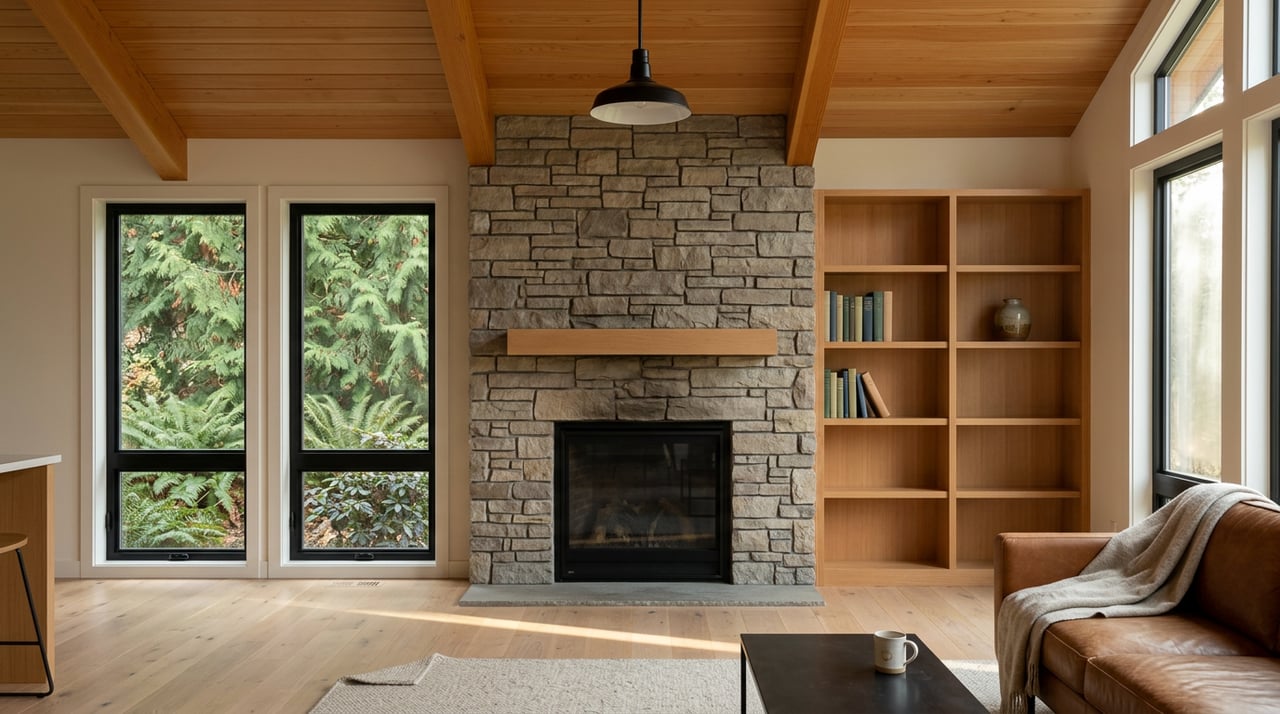
When it comes to calculating home value, size really does matter, and features are equally important. Look at the square footage, number of bedrooms, and recent updates.
- Pros: Size and the presence or absence of features (like fireplaces and pools) can be an easy way to assess value
- Cons: Price per square foot won’t tell you whether a home’s layout is appealing, or what condition it’s in
Condition
A new-construction home with all the latest upgrades and features will be in much better condition (and worth more) than a tear-down built decades ago.
- Pros: Evaluating condition can help you determine how your home compares to neighboring homes
- Cons: You’ll need to work with a pro to get a condition assessment; online calculators can’t look inside a house
How’s the Market?
You won’t always know if the real estate market is heating up or cooling down until months after the fact. Talk to a local expert about what they’re seeing or keep tabs on home sales yourself
- Pros: You can use listing information to track sales and see what’s happening
- Cons: If you don’t know what to look for (days on market, list-to-sales price), you could come to a wildly inaccurate conclusion
Comparable Sales
Comps, or comparable sales, take recently sold homes and compare them to the home you’re trying to value
- Pros: This is a method appraisers use to pinpoint value and is one of the most reliable ways to do it
- Cons: If your home is an outlier in some way (bigger or smaller than most) or there haven’t been many recent sales, the comps might not tell the full story
Neighborhood Watch
Even if a housing market is trending downward, there are sometimes neighborhoods or blocks where home prices hold steady or even rise.
- Pros: Finding the locations where home prices are most stable will help you find low-risk deals
- Cons: Identifying these pockets of opportunity is very difficult without appropriate training
’Tis the Season
In most of the country, home sales are most robust in spring and summer, tapering off in fall and winter.
- Pros: Supply and demand have a definite effect on sales price; if you can figure it out, you can try to buy at the “bottom” of the year instead of the “top”
- Cons: Not every market experiences a seasonal shift, and there’s no guarantee you’re timing your sale or purchase perfectly
Assessments and Taxes
Property taxes are based on the assessed value of a house; home value is re-assessed between every three and five years
- Pros: Property taxes and home value assessments are public records and usually pretty easy to access
- Cons: These assessments aren’t as up-to-date as a comp analysis
Jobs and Education
The local economy can have a huge impact on home prices (look at the San Francisco Bay Area). If there are a lot of good jobs available, it could drive home prices up.
- Pros: This is a nuanced way to look at home value that most buyers and sellers never even consider.
- Cons: It’s impossible to predict the future, and if there isn’t a variety of industry in your area, even a robust jobs economy can fall through
In the End, It’s All About
The buyers. A home is worth what a buyer is willing to pay for it, and some buyers might be more motivated to buy certain properties over others.